Week 2: Up in the Air
Explorer answers · Sep 14, 2026. All finished weeks
Birds That FlyEasiest
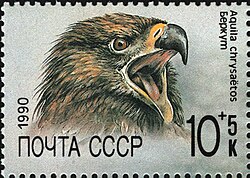
Eagle 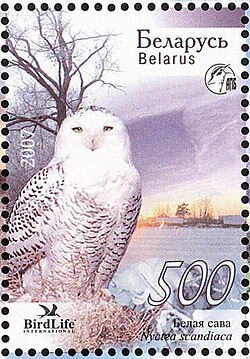
Owl 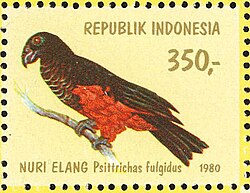
Parrot 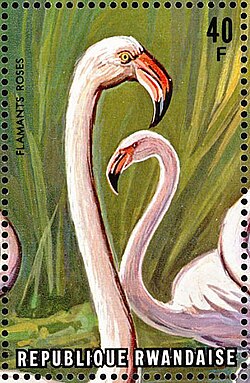
Flamingo
Visual clue. Feathered animals shown in the air or perched: an eagle, an owl, a parrot and a flamingo.
The hook. All four are birds that fly. The flamingo may not look like a strong flyer, but flocks migrate hundreds of miles.
Here's the trap we set. Eight tiles show birds. If you grabbed the first four birds you saw, you probably picked up a penguin or an ostrich. Those cannot fly.
InsectsModerate
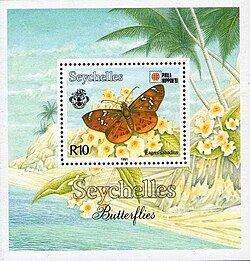
Butterfly 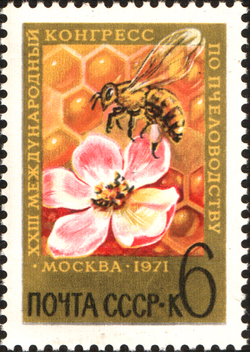
Honey Bee 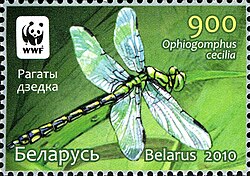
Dragonfly 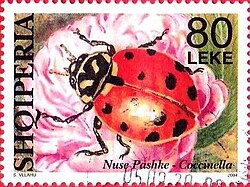
Ladybird
Visual clue. Small creatures with six legs: a butterfly, a bee, a dragonfly and a ladybird.
The hook. All four are insects. Three fly; the ladybird flies too, with wings folded under its spotted shell.
Here's the trap we set. The butterfly and dragonfly have big, obvious wings and tempt a "wings" group with the birds. The puzzle sorts by what the animal is, not by whether it has wings.
Machines That FlyTricky
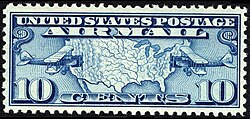
Aeroplane 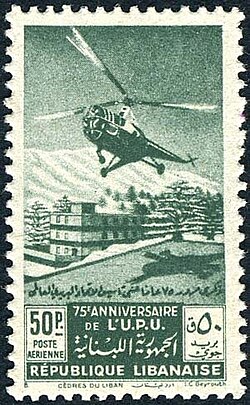
Helicopter 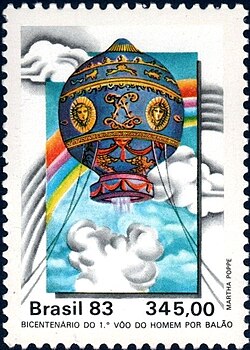
Hot-Air Balloon 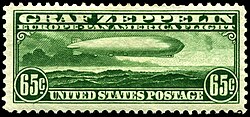
Zeppelin
Visual clue. Human inventions in the sky: an aeroplane, a helicopter, a hot-air balloon and an airship.
The hook. Balloons (1783), airships (1852), aeroplanes (1903) and helicopters (1930s) are the four great ways people learned to fly.
Here's the trap we set. The zeppelin is long and grey like a whale, and a few players read it as an animal. It is a machine.
Birds That Cannot FlyHardest
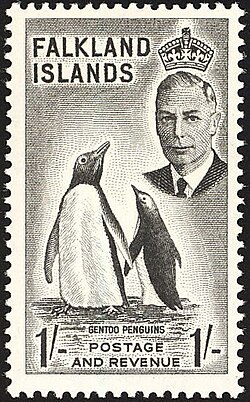
Penguin 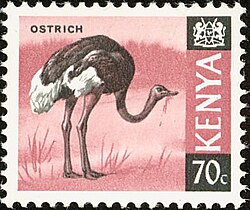
Ostrich 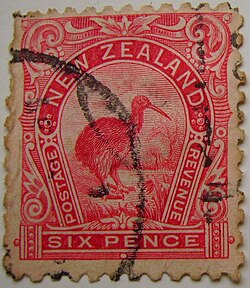
Kiwi 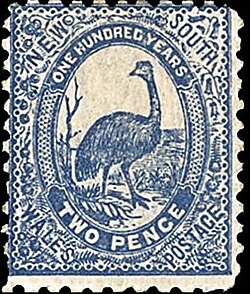
Emu
Visual clue. Four birds with tiny or useless wings: a penguin, an ostrich, a kiwi and an emu.
The hook. Penguins swim, ostriches and emus run, and the kiwi walks by night. None of them can fly.
Here's the trap we set. This is the group hiding inside the birds. It only appears once the flying birds are gone and you ask what the four leftover birds have in common: nothing about flying, and that is the answer.
The answers to the Collector and Philatelist boards are for members. Members can play them in the archive.