Puzzle 18: Spark of Genius
Explorer answers · Nov 9, 2026. All finished puzzles
Printing PressesEasiest
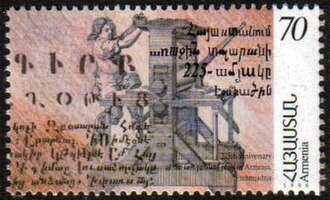
Typesetter And Press 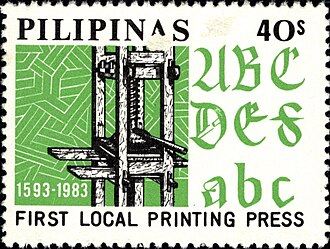
Wooden Printing Press 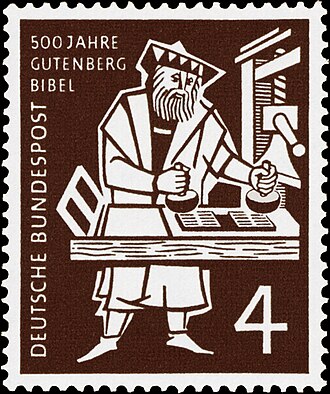
Gutenberg Screw Press 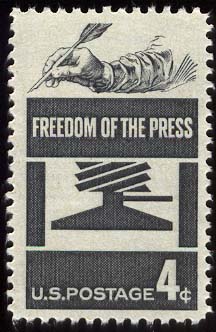
Quill And Press
Visual clue. Each stamp clearly displays a historic mechanical printing press with its heavy frame, platen, and lever or screw mechanism.
The hook. Johannes Gutenberg's movable-type printing press revolutionized the spread of knowledge in Renaissance Europe, transforming book production from slow hand-copying into mass communication.
CamerasModerate
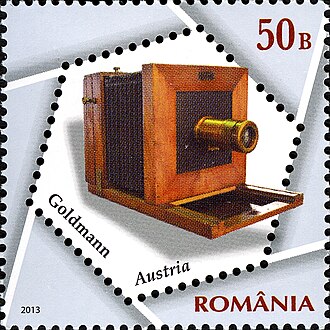
Wooden Bellows Camera 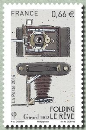
Folding Pocket Camera 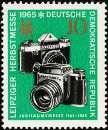
Twin Viewfinder Cameras 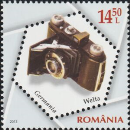
Vintage Folding Camera
Visual clue. Each stamp showcases a photographic camera, highlighting lenses, accordion bellows, viewfinders, and camera bodies.
The hook. From 19th-century wooden bellows cameras to compact mid-century folding models, photography evolved rapidly to make capturing still images accessible worldwide.
TelephonesTricky
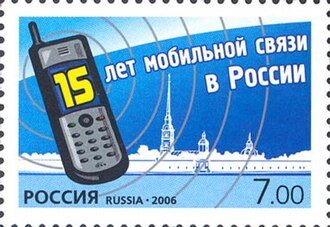
Early Mobile Phone 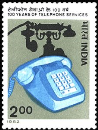
Rotary And Keypad Pair 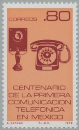
Wall And Desk Telephones 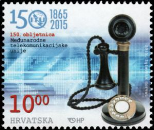
Candlestick Telephone
Visual clue. Each stamp displays telephone apparatuses, ranging from antique candlestick and wooden wall-mounted units to desktop push-button phones and a handheld cellular device.
The hook. Patented by Alexander Graham Bell in 1876, the telephone revolutionized personal and commercial communication, progressing from operator-switched manual lines to modern wireless networks.
Here's the trap we set. The early mobile phone depicts radiating signal waves, tempting players to group it with the radio transmission stamps rather than with its voice-communication telephone relatives.
Radio TowersHardest
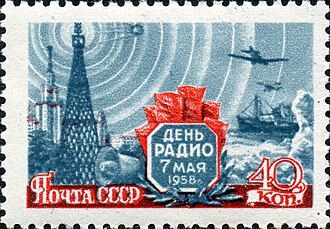
Lattice Radio Mast 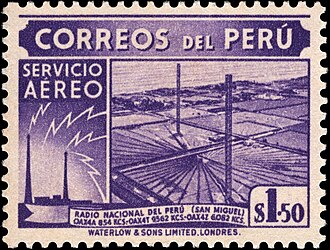
Broadcast Station Towers 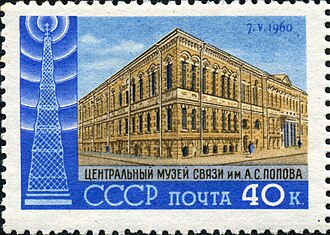
Museum Aerial Tower 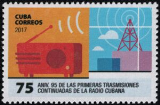
Transmitter Mast And Receiver
Visual clue. Each stamp prominently features a tall metal lattice transmission tower or broadcast mast rising high above buildings and landscapes.
The hook. Lattice towers and tall broadcast masts enabled early long-range wireless telegraphy and commercial radio broadcasting by elevating antennas high above terrestrial obstacles.
Here's the trap we set. The Cuban stamp features both a tabletop radio receiver and a transmitter mast, while the Soviet Radio Day stamp shows radio waves. Players hunting for a broad 'radio and wireless' category will easily get tripped up by the mobile phone.