Puzzle 17: Harmonic Families
Explorer answers · Nov 4, 2026. All finished puzzles
Wind InstrumentsEasiest
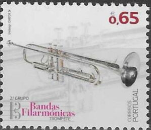
Silver Trumpet 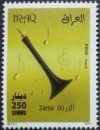
Zarna Woodwind 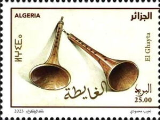
Ghayta Pipes 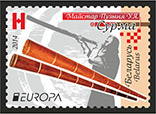
Wooden Horns
Visual clue. Each stamp showcases a musical instrument played by blowing air through a tube, horn, or pipe.
The hook. These are traditional aerophones (wind instruments), including brass trumpets, wooden horns, and double-reed folk pipes from Europe, North Africa, and the Middle East.
Percussion InstrumentsModerate
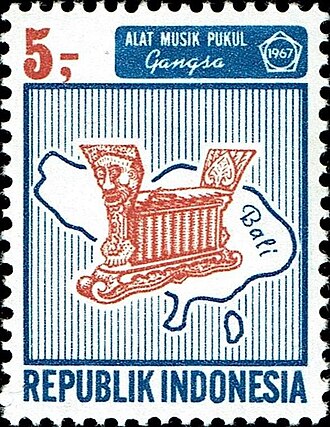
Gangsa Metallophone 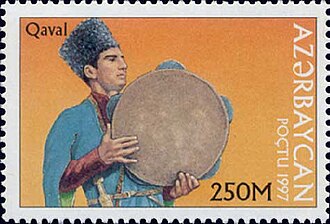
Qaval Frame Drum 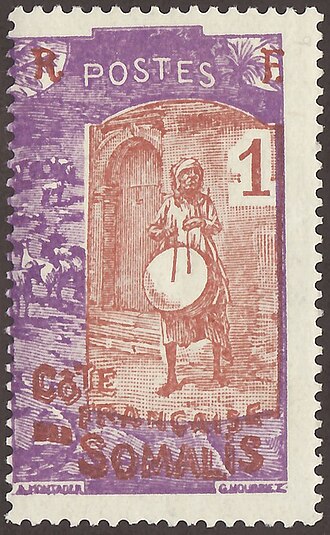
Ceremonial Drum 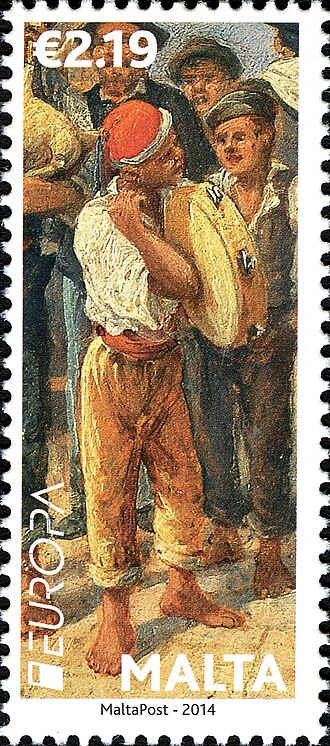
Jingle Tambourine
Visual clue. Each stamp displays a percussion instrument designed to produce sound when struck, shaken, or beaten.
The hook. These instruments belong to the percussion family, comprising drums, frame drums, shaken tambourines, and struck bronze metallophones used in ceremonial and folk traditions.
Here's the trap we set. Players might be tempted to group stamps depicting musicians in traditional costume together rather than sorting by how the instrument itself makes sound.
Plucked String InstrumentsTricky
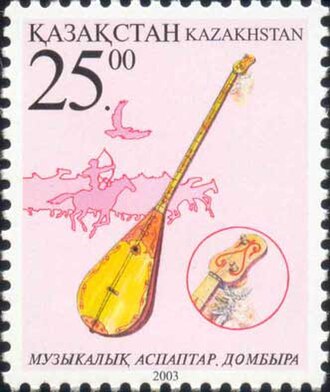
Kazakh Dombra 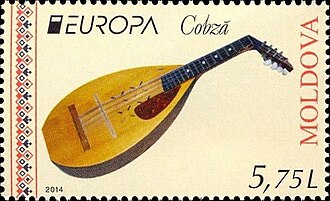
Moldovan Cobza 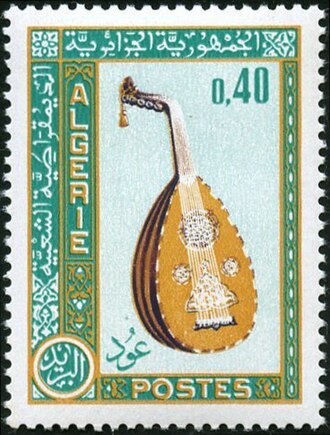
Algerian Oud 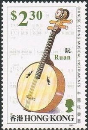
Chinese Ruan
Visual clue. Each stamp shows a necked string instrument with a rounded or pear-shaped soundbox, played by plucking with fingers or a plectrum.
The hook. These instruments are traditional plucked chordophones of the lute family, such as the Kazakh dombra, Moldovan cobza, Arabic oud, and Chinese ruan.
Here's the trap we set. There are eight stringed instruments in the puzzle; players who lump all string instruments together without noticing how they are played will lose a life.
Bowed String InstrumentsHardest
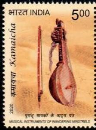
Kamaicha and Bow 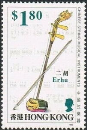
Erhu and Bow 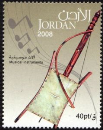
Rebab Fiddle 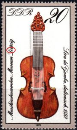
Lira da Gamba
Visual clue. Each stamp displays a string instrument played with a horsehair bow rather than plucked.
The hook. These are bowed chordophones, including the Indian kamaicha, Chinese erhu, Middle Eastern rebab, and Renaissance European lira da gamba.
Here's the trap we set. These four share the board with four plucked lutes. Careful observation reveals bows depicted alongside the instruments, separating bowed fiddles from plucked guitars and lutes.